

Understanding Hair Loss
Hair loss can occur for many reasons; from genetics and hormones to scalp inflammation and styling habits. Understanding why your hair is changing is the first step toward healing. At Pre’Vail Natural Hair & Scalp Solutions, we take a science-based approach to uncovering the root cause of your hair loss and designing a care plan tailored to you.


-
Genetics: Hereditary hair loss, known as androgenetic alopecia, is one of the most common causes in both men and women.
Hormonal Changes: Fluctuations in hormones such as DHT, thyroid hormones, and estrogen can impact growth cycles.
Medical Conditions: Illnesses, medications, and treatments can disrupt normal follicle function.
Nutritional Deficiencies: Deficiencies in iron, zinc, vitamin D3, and biotin can weaken hair structure and slow growth.
Stress: Both emotional and physical stress can trigger telogen effluvium, a temporary form of hair shedding.
Hairstyles & Chemical Treatments: Tight hairstyles, excessive tension, or chemical relaxers can lead to traction and follicle damage.
-
Androgenetic Alopecia: The most common form of hereditary hair loss, presenting as thinning at the crown or a receding hairline.
Telogen Effluvium: A temporary shedding condition often triggered by stress, illness, or medication that alters the hair growth cycle.
Alopecia Areata: An autoimmune disorder that causes patchy hair loss on the scalp, face, or other body areas.
Traction Alopecia: Hair loss caused by prolonged tension or pulling from tight styles, braids, ponytails, or weaves.
CCCA (Central Centrifugal Cicatricial Alopecia): A scarring alopecia most commonly seen in women of African descent. It begins at the crown and spreads outward in a circular pattern. Early detection and treatment are crucial to prevent permanent follicle damage and scarring.
-
Medications: Finasteride and Minoxidil are FDA-approved treatments that can slow or reverse certain forms of hair loss.
Low-Level Laser Therapy: A non-invasive therapy that stimulates follicles, boosts circulation, and supports regrowth.
Topical Treatments: Therapeutic shampoos, anti-inflammatory serums, and corticosteroid topicals can help calm scalp inflammation and support recovery.
Trichology-Based Therapies: At Pre’Vail, we perform scalp analyses, wellness scans, and targeted scalp treatments that restore balance and improve follicle function.
Lifestyle Support: Nutrition, hydration, stress management, and gentle hair practices all contribute to healthy growth.
Hair Restoration Surgery: In advanced cases, transplant surgery can redistribute healthy follicles to thinning or scarred areas.
-
At Pre’Vail, we combine science, scalp health, and compassionate care to treat hair loss at every stage. Our goal is not just to regrow hair but to restore confidence, comfort, and control through education, early intervention, and consistent support.
Trichologist-Recommended Hair Growth Devices
If you're experiencing thinning hair or hair loss, these advanced at-home devices are trusted options designed to support healthier-looking regrowth over time. Recommended based on your lifestyle, consistency, and hair goals.Lumina Bundle
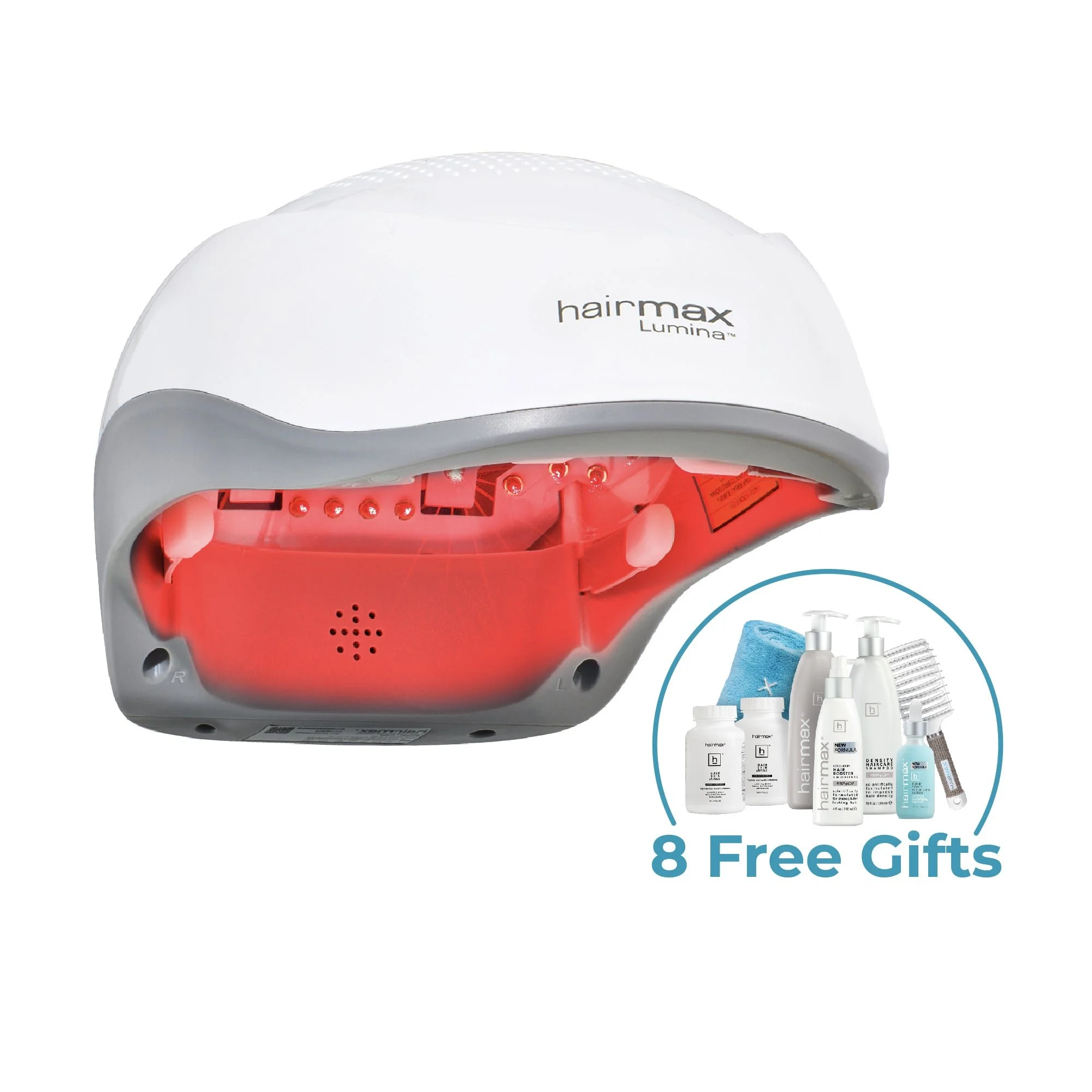
Complete system designed for clients seeking a structured regrowth solution.PowerFlex Cap
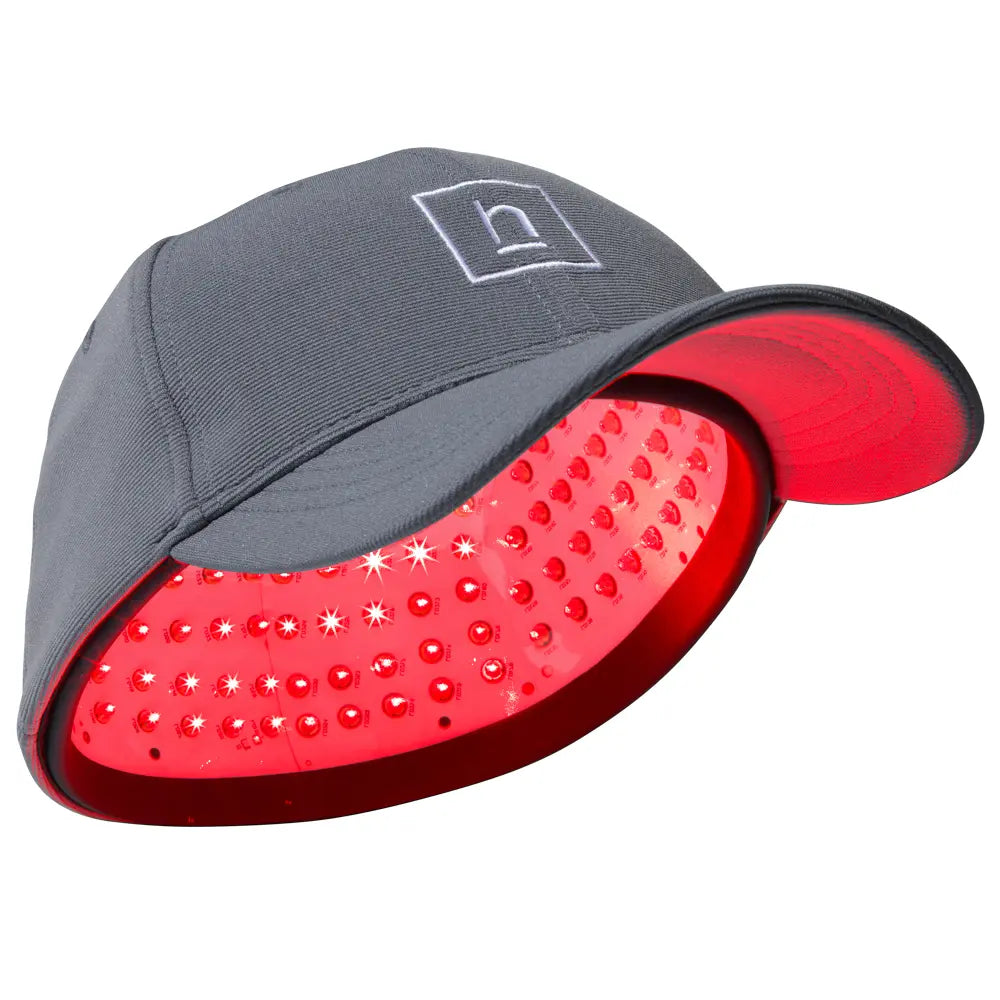
Hands-free wearable option for convenient daily use at home or on the go.
How Healthy Is Your Hair
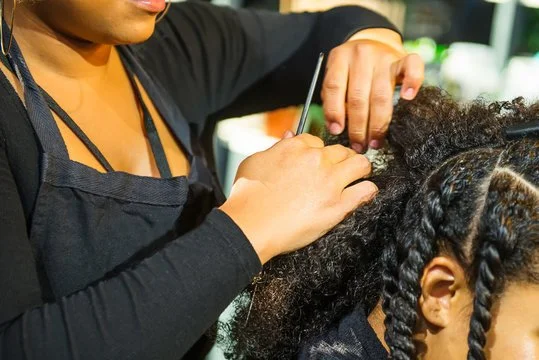
Maintaining healthy natural hair is a journey that requires more than just products and routines; it demands patience and unwavering commitment. These two elements are the bedrock of a successful natural hair care regimen. Without them, the path to vibrant, healthy hair can become a challenging one.
Understanding Hair Loss
Hair loss isn’t just a physical issue; it can deeply affect your sense of self, confidence, and emotional well-being. For many, it feels like losing a part of their identity. Hair plays a major role in how we present ourselves to the world, and when it begins to thin or fall out, the emotional impact can be profound.
At Pre’Vail Natural Hair & Scalp Solutions, we understand that hair loss is personal. That’s why our approach focuses on uncovering the root cause through trichology-based analysis and supportive, customized solutions designed for your unique journey.
You Are More Than Your Hair
No matter how you choose to navigate your hair loss journey, remember: your worth extends far beyond your appearance.
At Pre’Vail, we’re here to support you emotionally, scientifically, and holistically, restoring not only your scalp health but also your self-assurance, one strand at a time.

Our Hair Loss Support Options
Wigs and Hairpieces
For those who want to maintain their usual appearance, wigs and hairpieces provide a natural-looking and confidence-boosting option. We help match your texture, density, and style so you feel like yourself again, or even better.
Embracing Baldness
Empowerment looks different for everyone. Many of our clients find strength and freedom in embracing baldness or thinning hair: redefining beauty on their own terms and celebrating authenticity with confidence.
Medical & Therapeutic Treatments
For clients with scalp disorders or medically related hair loss, targeted trichology treatments and medical interventions can help slow, correct, or even reverse the process. Our clinic offers non-invasive, science-based options supported by ongoing scalp assessments and follow-up care.

Hair loss is a common concern that affects people of all ages and backgrounds. There are many potential causes, types, and treatments, and understanding the foundation of hair loss is essential to making informed decisions about your scalp and hair health. At Pre’Vail Natural Hair & Scalp Solutions, we focus on identifying and treating the root cause through education, trichology-based care, and personalized treatment plans.
Scalp Solutions
Nutrition and Lifestyle: Your hair health reflects your internal health. A balanced diet rich in vitamin D3, zinc, and iron — along with hydration, sleep, and movement — supports optimal follicle function. When deficiencies exist, targeted nutrition and supplementation can play a major role in recovery.
Stress Management: High stress levels can disrupt the natural hair growth cycle. Incorporating relaxation, mindfulness, or physical activity can help regulate cortisol and promote a healthier scalp environment. Remember, your emotional well-being directly impacts your hair’s vitality.
Early Intervention: Addressing hair loss early can make a significant difference in outcomes. If you notice unusual shedding, thinning, or changes in your scalp, it’s best to seek professional evaluation. Early trichology consultations or medical assessments can help prevent further loss and restore scalp balance.
Individualized Care: No two cases of hair loss are the same. What works for one person may not work for another. Personalized assessments and treatment plans ensure your unique needs are addressed — combining science, care, and compassion to help you achieve lasting results.
Healthy Hair Care Practices: The way you treat your hair daily matters. Gentle detangling, mindful washing, protective styling, and minimizing excessive heat or tension can prevent breakage and preserve follicle integrity. At Pre’Vail, we teach clients evidence-based techniques to protect and strengthen natural hair.
Scalp Health: Healthy hair begins with a healthy scalp. Conditions like dandruff, dermatitis, and buildup can block follicles and weaken new growth. Trichology-based scalp treatments and consistent cleansing routines can restore circulation, balance oil production, and strengthen follicles. you treat your hair daily matters.
The Pre’Vail Perspective
At Pre’Vail, we teach clients that healthy hair reflects internal wellness. Through trichology-based assessments, scalp therapies, and nutritional education, we help you build a sustainable routine that strengthens your hair from root to tip; naturally, holistically, and beautifully.
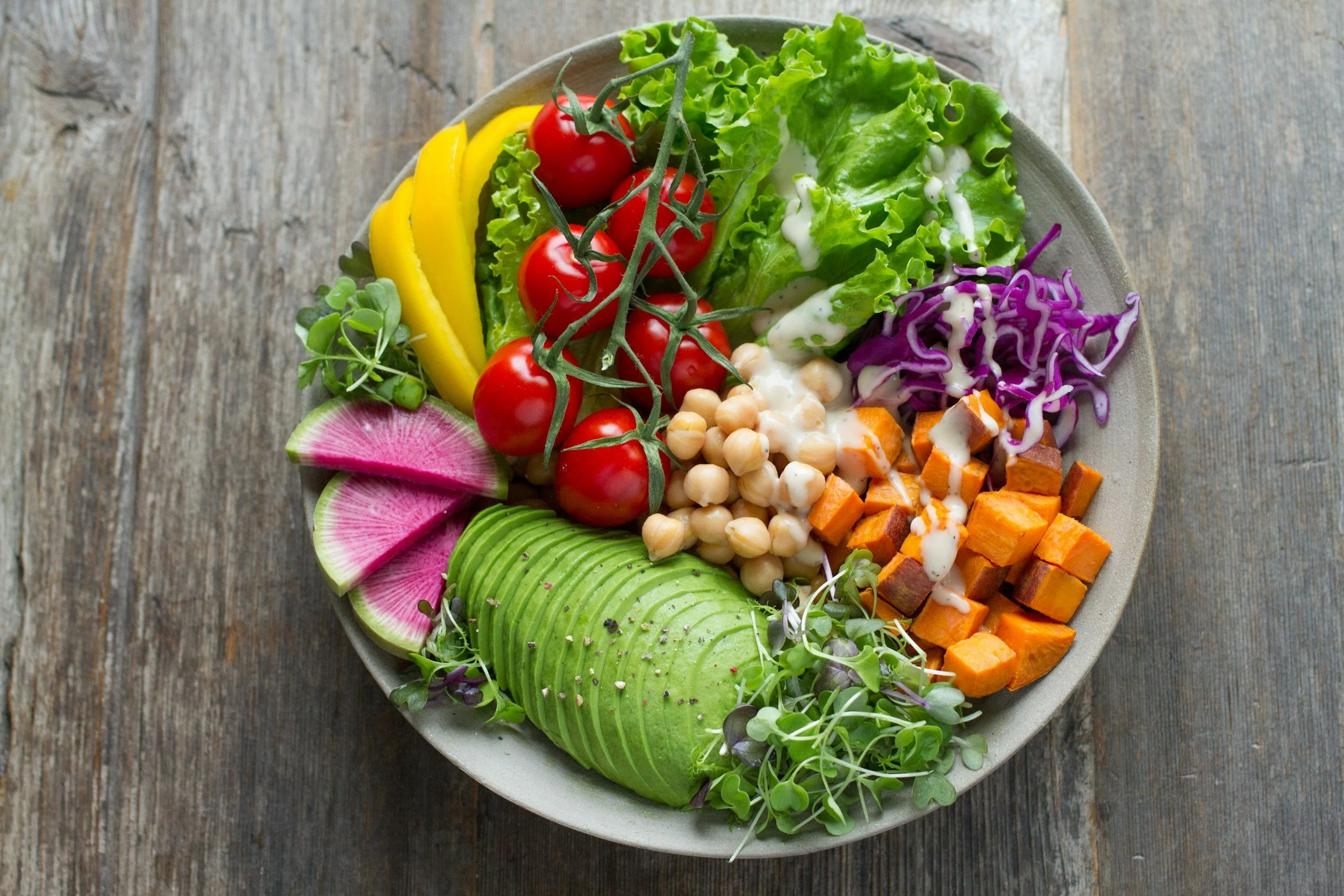
Healthy hair starts from within. The foods you eat play a powerful role in the strength, shine, and growth of your hair, as well as the balance of your scalp. By nourishing your body with the right nutrients, you’re feeding your follicles the essential building blocks for stronger, more resilient hair.
At Pre’Vail Natural Hair & Scalp Solutions, we believe nutrition is a key component of every personalized hair health plan. By incorporating these nutrient-rich foods into your diet, you can take positive steps toward maintaining a vibrant scalp and healthy, beautiful hair..
Nutrient-Rich Foods for Optimal Hair Health
Fatty Fish
Salmon, tuna, and sardines provide healthy omega-3 oils that enhance scalp elasticity and hair luster. They’re also packed with protein, helping to reinforce hair shaft strength and reduce breakage.
Leafy Greens
Kale, collards, and similar greens are rich in iodine, which supports thyroid function— a vital factor in maintaining hair growth and overall scalp health.
Whole Grains
Whole-grain breads, cereals, and brown rice deliver B vitamins, zinc, and biotin —nutrients essential for healthy keratin production and strong, steady growth.
Organic Poultry
Organic chicken and turkey are lean sources of high-quality protein that help fortify the hair shaft and support new growth.
Dairy & Dairy Alternatives
Almond milk, soy milk, and yogurt are rich in calcium and protein, both of which contribute to healthy hair structure and follicle vitality.
Green Vegetables
Spinach and broccoli help your body produce natural scalp oils (sebum) and are rich in antioxidants that slow the aging of both the scalp and skin
Legumes
Beans and lentils are an excellent source of iron, zinc, protein, and biotin, all of which play key roles in the hair growth cycle and follicle resilience.
Because healthy hair starts with healthy habits.
Small daily choices shape the strength, moisture, and vitality of your hair. These do’s and don’ts help protect your strands, support scalp health, and prevent unnecessary damage, aligning care with your hair’s true needs.
Healthy Hair Habits: Do’s & Don’ts
-
1. Stay Hydrated
Drink water daily. Hydration nourishes your scalp and feeds your follicles, promoting balanced oil production and stronger growth from within.2. Eat for Hair Health
Include iron-, zinc-, and protein-rich foods such as leafy greens, salmon, eggs, beans, and seeds to fuel keratin production and follicle strength.3. Use Low-pH, Gentle Products
Select sulfate- and paraben-free cleansers and conditioners to preserve your scalp’s natural barrier and maintain moisture balance.4. Moisturize and Seal Regularly
Hydrate with water-based products, then seal with a lightweight oil or cream to lock in moisture and reduce dryness, frizz, and breakage.5. Protect Your Hair While Sleeping
Use a satin or silk bonnet or pillowcase to reduce friction, prevent tangling, and maintain moisture overnight.6. Schedule Regular Scalp Cleanses
Remove buildup and debris with clarifying or detox treatments quarterly to keep follicles open and active.7. Manage Stress
Incorporate calming rituals, such as deep breathing, scalp massage, or journaling, to help prevent stress-induced shedding or thinning. -
1. Don’t Overuse Protein
Too much protein can make hair feel stiff, brittle, and prone to snapping. Balance it with moisture-based products and conditioning treatments.2. Don’t Depend on Coconut Oil or Honey for Moisture
These ingredients seal the cuticle too tightly, blocking hydration from entering the strand, especially in low-porosity textures.3. Don’t Overwash or Underwash
Overwashing strips natural oils, while underwashing causes buildup. Aim for a consistent cleansing schedule based on your scalp type and lifestyle.4. Don’t Ignore the Scalp
Hair issues often start at the root. Avoid neglecting scalp care; cleanse, exfoliate, and nourish it regularly to keep follicles thriving.5. Don’t Brush Aggressively
Rough handling leads to breakage and scalp irritation. Always detangle on damp, conditioned hair using the proper tool for your texture.6. Don’t Sleep with Wet Hair
Sleeping with damp hair can cause mold, mildew, or odor buildup on the scalp and weaken strands over time.7. Don’t Skip Professional Care
DIY routines can only go so far. Regular trichology-based scalp analyses and restorative treatments ensure your care plan evolves with your hair’s needs.
Texture Tips: Elevate Your Hair Game!
Inspired by “From Root to Tip: A Growing Hands Guide for Natural Hair”.
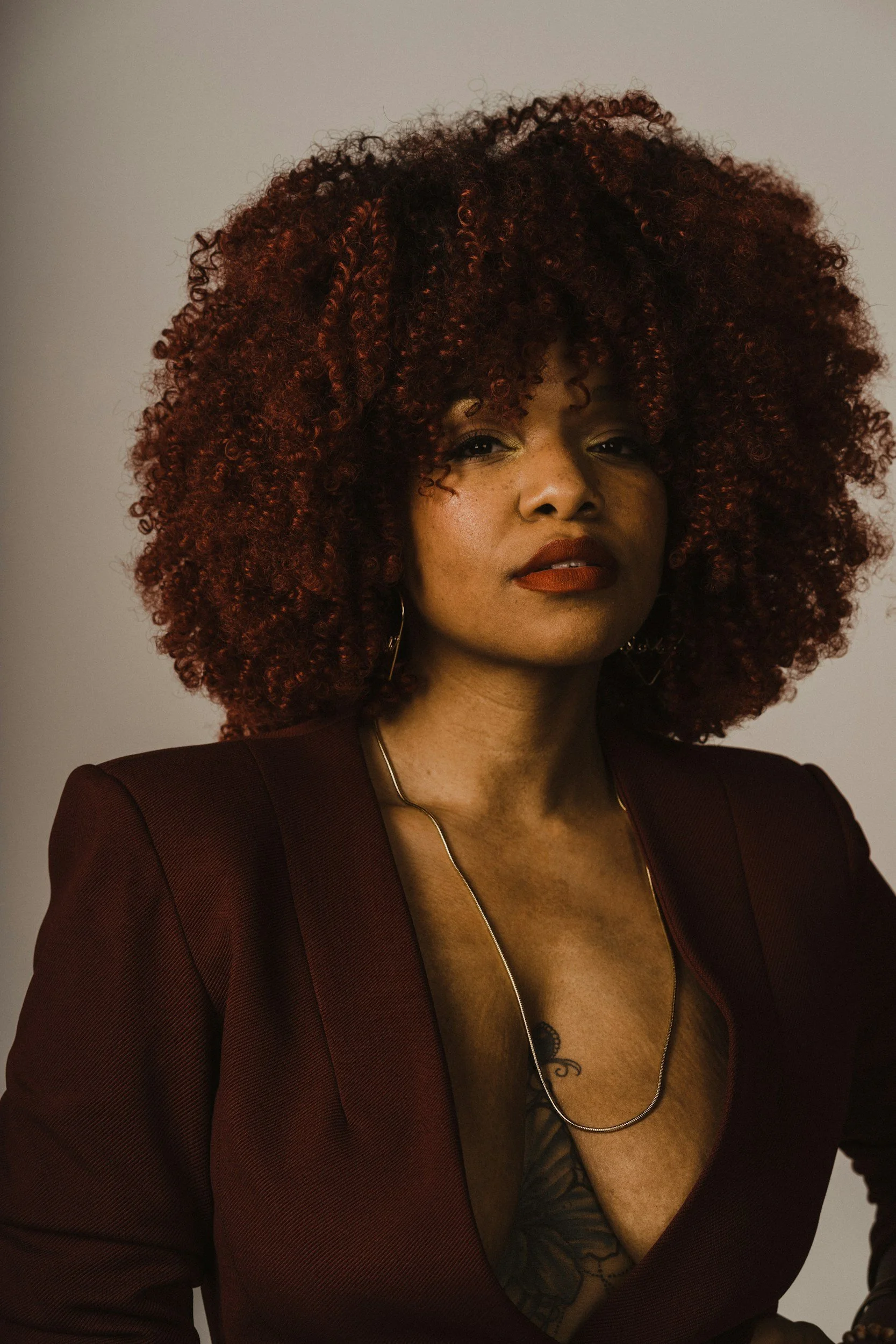
Every texture tells a story of curl pattern, shrinkage, and care. Understanding your strand behavior helps you create balance—hydration, protection, and strength from root to tip.
-
WAVY
(10–30% Shrinkage)
Wavy hair thrives with lightweight hydration. Use low-pH cleansers and conditioners to smooth the cuticle and lock in moisture. Avoid heavy creams that weigh down waves, and finish with a light sealant to reduce frizz and enhance movement.
-
CURLY
(40–60% Shrinkage)
Curly hair loves moisture layering. Apply hydration using the LCO or LOC method to keep curls soft and defined. Use low-pH products to prevent frizz and protect the curl’s elasticity. Handle gently and allow to air dry or diffuse to maintain natural sheen.
-
TIGHT CURLY
(60–70% Shrinkage)
This texture tangles easily, so regular detangling with a moisture-rich conditioner is key. Incorporate light oils to reduce knots and add shine. Use low-pH sealants to close the cuticle and preserve elasticity. Stretch styles can help minimize stress on ends.
-
COILY
(70–80% Shrinkage)
Coily strands are delicate and thrive with consistent hydration. Use water-based sprays and emollient creams to maintain flexibility. Weekly deep-conditioning treatments restore strength and elasticity, helping prevent breakage
-
TIGHT COILY
(80–90% Shrinkage)
Tight coils experience visible shrinkage and fragility. Detangle with Unbrush gently while conditioning to minimize tangles. Apply moisture daily and seal with oil for sheen and softness. Protective styles can help retain length and support scalp health.
-
KINKY
(90–100% Shrinkage)
Kinky hair needs intentional, layered moisture. Start with hydration, then seal with rich oils or butters. Steam therapy and weekly deep conditioning boost elasticity and reduce brittleness. Focus on moisture penetration, not just coating the strand.
-
WIRY
(Low Porosity / Grey Hair)
Wiry textures can resist moisture absorption. Use lightweight, low-pH moisturizers and gentle heat to open the cuticle for deeper hydration. Avoid protein overload, which increases stiffness and fragility. Maintain balance with softening ingredients like avocado or jojoba oil.
-
BREAKAGE
(Prevention Essentials)
Use sealants sparingly: Coconut oil and honey do block moisture; test before routine use.
Water is not a moisturizer; it is the foundation of hydration that feeds the follicles and promotes scalp function.
Be gentle: Limit tension from tight styles and frequent manipulation to reduce stress on strands and follicles.
Join Our Newsletter for Exclusive Offers!
Look no further! Join our newsletter and stay up-to-date for the latest trends and deals.